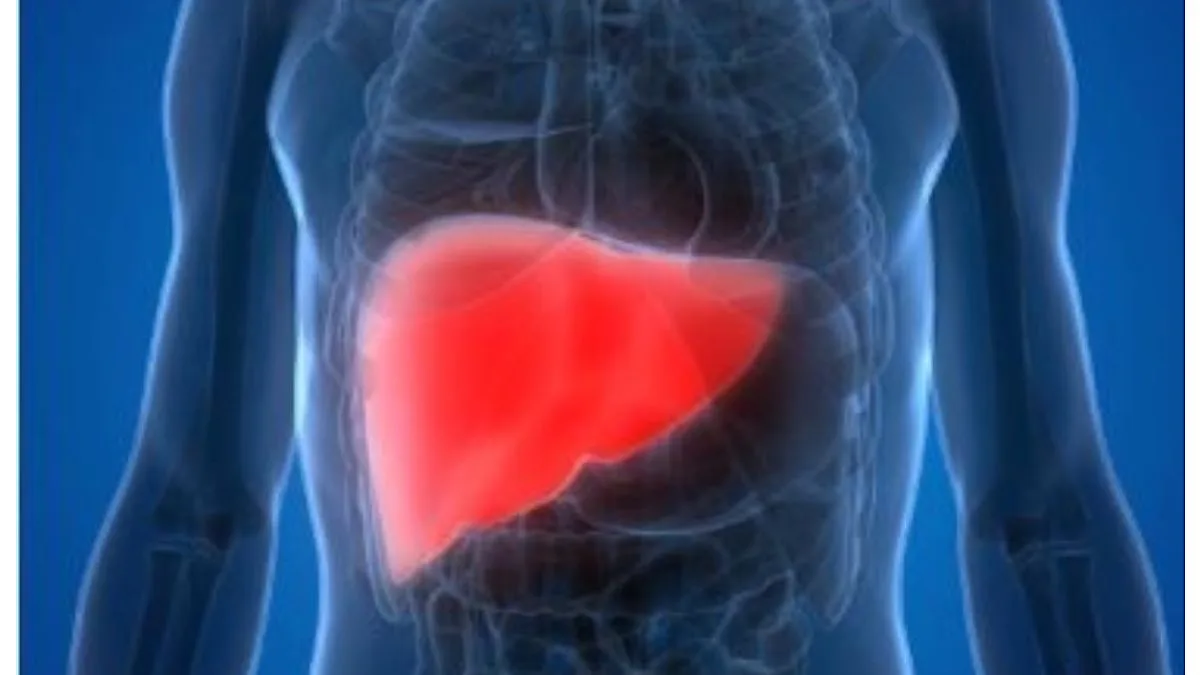
On the occasion of World Liver Day, observed every year on April 19, health experts have expressed concern over the rising number of liver-related illnesses in the country. Fatty liver disease, once considered uncommon, is now being increasingly seen not only in older adults but also in young and middle-aged individuals.
According to Dr. Kartik Sahni, MS, MCh (GI Surgery, AIIMS New Delhi), Metabolic Dysfunction-Associated Steatotic Liver Disease (MASLD), previously known as fatty liver disease, is emerging as one of the leading causes of liver problems in India.
Advertisement
Dr. Sahni said that nearly one in three people in urban India may be affected by fatty liver. Rising obesity, Type 2 diabetes, junk food, late-night eating habits, lack of exercise and an irregular lifestyle are among the major reasons behind this increase.
“Liver disease often progresses silently without obvious symptoms. In many cases, people come to know about it only when it has already reached an advanced stage such as cirrhosis, liver failure or even liver cancer,” Dr. Sahni said.
Experts say that in the early stages, fatty liver disease usually does not cause significant symptoms. However, some individuals may experience persistent fatigue, mild pain in the right side of the abdomen, increasing abdominal fat or unexplained weight gain.
If ignored, the condition may eventually progress to cirrhosis and liver cancer. In advanced stages, symptoms may include yellowing of the eyes and skin, abdominal swelling, swelling in the legs, confusion, loss of appetite and vomiting of blood.
Doctors say that timely screening can help prevent serious liver damage. Liver Function Tests (LFT), abdominal ultrasound, FibroScan and screening for Hepatitis B and C are considered useful for early detection. People who are overweight, diabetic or have a family history of liver disease should undergo regular check-ups.
According to Dr. Sahni, fatty liver disease can be controlled and even reversed in its early stages. A healthy diet, regular exercise, maintaining an ideal body weight and avoiding alcohol are the most effective ways to protect the liver. Experts recommend at least 150 minutes of exercise every week. Losing 7 to 10 per cent of body weight can significantly reduce liver fat.
He also advised people to get vaccinated against Hepatitis B and not ignore routine health check-ups.
On World Liver Day, Dr. Sahni appealed to the public to take liver health seriously and make timely lifestyle changes before the disease becomes severe.